

Breast cancer can develop without causing noticeable changes in the early stages. This is why regular screening is so important. A mammogram for early breast cancer detection allows doctors to look for changes in breast tissue before a person notices a lump, pain, or other symptoms. Finding these changes early can help patients and their healthcare providers make informed decisions about the next steps in their care.
At Master Imaging, we understand that keeping up with preventive screenings is an important part of taking care of your health. Our goal is to help patients access imaging services that support early detection and provide useful information to their healthcare providers. If you are due for a screening or have questions about your imaging options, contact Master Imaging in Las Cruces at (575) 249-7900 to learn more.
Why Early Breast Cancer Detection Matters
Early detection gives healthcare providers an opportunity to identify suspicious changes before they become more noticeable. Although not every abnormal finding means cancer is present, identifying these changes can help determine whether additional testing is needed.
Mammograms are an important part of breast cancer screening because they can reveal changes that may not be detected during a physical examination. When breast cancer is found early, patients may have more treatment options available, depending on the type and stage of the disease.
How Mammograms Work
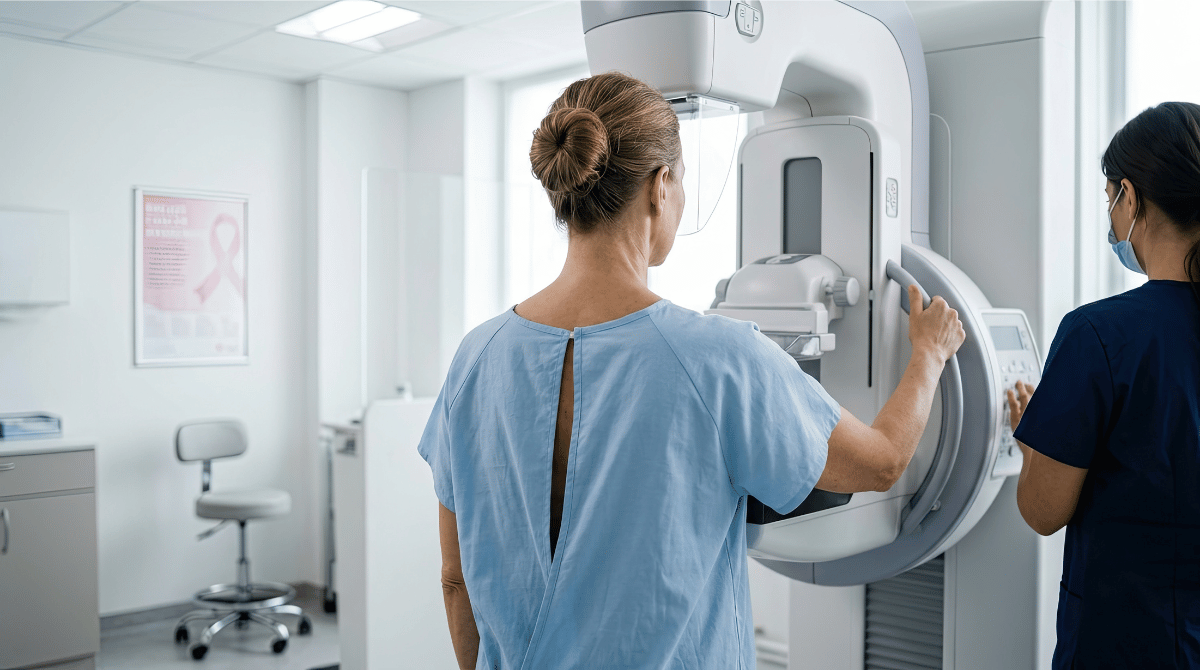
A mammogram is a specialized X-ray that creates images of the breast. During the exam, each breast is gently compressed between two surfaces for a short time. This spreads out the breast tissue, helping the imaging equipment capture clearer pictures.
The images allow trained healthcare professionals to examine the breast for unusual areas or changes that may need further evaluation. The procedure typically takes a short amount of time, although the total appointment may vary.
Mammograms use a low dose of X-ray radiation to create detailed images. For most people who meet screening guidelines, the benefits of regular screening outweigh the small risks associated with this exposure. Your healthcare provider can help you understand which screening schedule is appropriate for your individual needs.
What Mammograms Can Find
One of the main benefits of mammography is its ability to identify changes that are too small to feel. These findings can include small masses, areas of unusual tissue density, and tiny calcium deposits called microcalcifications.
Some microcalcifications are harmless, while certain patterns may require additional testing. Similarly, a mass found on a mammogram does not automatically mean someone has breast cancer. Additional imaging or a biopsy may be recommended to determine what the finding means.
Understanding how mammograms detect breast cancer early helps explain why screening can be valuable even when a person feels healthy. The images can reveal possible warning signs that would otherwise go unnoticed.
Mammograms do not detect every case of breast cancer, and results can vary based on factors such as breast density and the characteristics of the abnormal area. However, regular screening remains an important tool for identifying potential concerns.
Why Symptoms May Not Appear Right Away
Breast cancer does not always cause symptoms in its early stages. A cancerous growth may be too small to feel, and there may be no visible changes in the breast. This means a person can feel completely healthy while changes are developing.
Waiting for symptoms before scheduling a screening may delay the discovery of a potential problem. This is one reason healthcare providers recommend routine mammograms for people who meet screening guidelines.
A screening mammogram is generally intended for people who do not have noticeable breast symptoms. If you discover a new lump, experience unusual nipple discharge, notice changes in breast shape, or develop skin dimpling, contact your healthcare provider promptly rather than waiting for your next routine screening.
Being familiar with your breasts and keeping up with recommended screenings can help you take a more active role in your health.
What to Expect After a Mammogram
After your mammogram, a radiologist reviews the images and prepares a report for your healthcare provider. The results may show that no concerning changes were found, or they may identify an area that needs a closer look.
An abnormal result does not automatically mean you have cancer. Sometimes, additional images are needed because an area was not clear enough to evaluate. Other times, a healthcare provider may recommend an ultrasound, a diagnostic mammogram, or a biopsy.
If additional testing is recommended, it is important to follow up. These next steps help your healthcare team better understand what appeared in the original images.
Common reasons for additional testing include:
- An area that looks different from the surrounding breast tissue.
- A small mass or calcium deposits that need further evaluation.
- A change from previous mammograms that requires closer examination.
When it comes to mammogram detecting breast cancer before symptoms, follow-up care is an important part of the process. Screening can identify a possible concern, but additional tests may be needed to determine whether it is harmless or requires treatment.
At Master Imaging, we encourage patients to ask questions about their imaging appointments and understand the importance of following their healthcare provider’s recommendations. If you need information about our imaging services, call (575) 249-7900.
When Should You Schedule a Mammogram?
The right time to begin screening depends on your age, personal health history, family history, and individual risk factors. Some people may benefit from starting earlier or receiving additional screening based on their circumstances.
For women at average risk, the U.S. Preventive Services Task Force recommends screening mammograms every two years from ages 40 through 74. Other medical organizations may recommend different schedules, so it is important to discuss your options with your healthcare provider.
People with a strong family history of breast cancer, certain genetic changes, or a history of radiation treatment to the chest may need a personalized screening plan. Your provider can help determine whether earlier screening or additional imaging is appropriate.
To prepare for your appointment, consider these helpful tips:
- Schedule your mammogram when your breasts are less tender, if possible. Some people prefer the week after their menstrual period.
- Wear a two-piece outfit so you can remove your top easily.
- Avoid deodorant, powders, or lotions around your breasts and underarms on the day of your exam, as some products can affect the images.
- Bring information about previous mammograms and tell the imaging team about any breast changes or relevant medical history.
Following these steps can help your appointment go smoothly and give the imaging team useful information.
Take an Active Role in Your Breast Health
Routine screening is one way to stay informed about your breast health, even when you have no symptoms. A mammogram can identify possible concerns early, while follow-up imaging and other tests can help healthcare providers determine what those findings mean.
At Master Imaging, we believe access to imaging services is an important part of helping people make informed decisions about their health. If you are looking for a mammogram in Las Cruces, contact our team to learn more about our imaging services and how to prepare for your appointment.
Call Master Imaging at (575) 249-7900 to get started. Taking time for recommended screenings today can be an important step toward protecting your health in the future.